ARTICLE N° 147 | Quincaillerie de porte essentielle : charnières, serrures et poignées expliquées
Quincaillerie essentielle pour portes : charnières, serrures etPoignéesExplication
(avec compatibilité avec les composants de fenêtre :charnières de fenêtre, charnières à friction pour fenêtres,poignées de fenêtre,charnières à friction,verrous de fenêtre)
Que vous équipiez une maison, un magasin ou un bâtiment commercial,quincaillerie de portec’est ce qui rend l’accès quotidien fluide, sécurisé et durable. Mais lors des installations réelles, les clients posent souvent des questions sur les fenêtres en même temps ; la meilleure approche consiste donc à comprendre commentquincaillerie de portefonctionne en complément des pièces de fenêtre correspondantes :charnières de fenêtre,charnières à friction pour fenêtres,poignées de fenêtre,charnières à friction, etverrous de fenêtre.
Vous trouverez ci-dessous une explication pratique des trois éléments essentiels :charnières, serrures et poignées—et comment elles sont liées aux performances de Windows.
1) Charnières : la base du mouvement
CharnièresElles sont essentielles à une ouverture et une fermeture en douceur. Pour les portes, de bonnes charnières réduisent la friction, empêchent l'affaissement et assurent un alignement parfait.
Ce même principe de « fondation du mouvement » s’applique aux fenêtres. Si vous choisissez des fenêtres de mauvaise qualité ou mal assorties…charnières de fenêtreCela peut créer un désalignement et une charge supplémentaire sur le reste du mécanisme de la fenêtre, en particulier là oùcharnières à frictionDes systèmes sont utilisés.
Pourquoi cela est important pourcharnières à frictionet les compas de fenêtre
Quandcharnières à friction pour fenêtressont installées sur une fenêtre dont l'alignement est faible ou mal aligné.charnières de fenêtreLe système de maintien par friction peut être soumis à des contraintes excessives. À terme, cela peut entraîner un fonctionnement irrégulier et une usure plus rapide.
Point clé à retenir :
Charnières robustes pour portes et charnières parfaitement assortiescharnières de fenêtreaider à faciliter le fonctionnement des portes et des fenêtres et à réduire les contraintes surcharnières à friction.
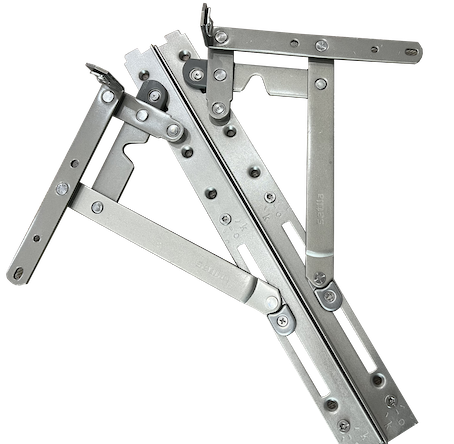
2)charnières à friction pour fenêtres: la régulation de la ventilation dépend d'un mouvement fluide
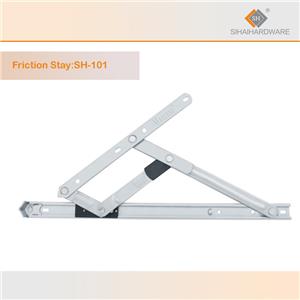
Pour la ventilation, de nombreuses installations utilisentcharnières à friction pour fenêtresCes composants permettent à la fenêtre de rester ouverte à l'angle souhaité, rendant ainsi la circulation de l'air pratique et sûre.
Cependant,charnières à friction pour fenêtresLes performances sont étroitement liées au reste du système matériel :
Sicharnières de fenêtreSi le jeu ou le blocage sont autorisés, la fenêtre peut sembler instable lorsqu'on la tient.
Si le mouvement de la vitre n'est pas fluide,charnières à frictionLa fonction peut être contrainte de travailler plus que prévu.
C’est pourquoi les distributeurs et les acheteurs en magasin devraient considérer la vitrine comme un système complet, oùcharnières à friction pour fenêtresne pas « compenser » des problèmes créés ailleurs.
3) Poignées : contrôle, confort et fiabilité au quotidien
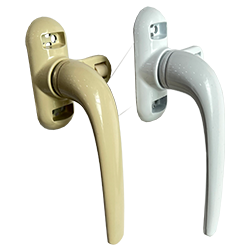
PoignéesCe sont les pièces que les clients manipulent tous les jours. Bienpoignées de porteprocurer confort, effet de levier et action fiable, sans nécessiter de force excessive.
Sous Windows, la fonction équivalente estpoignées de fenêtre. Sipoignées de fenêtreSi le système ne s'aligne pas correctement avec le mouvement de la fenêtre, les clients se plaindront de :
difficulté d'ouverture/fermeture
mauvaise adhérence
Les fenêtres ne sont pas correctement alignées après l'opération
Et si un mauvais alignement engendre une pression supplémentaire, cela peut augmenter la charge surcharnières de fenêtreet réduire la stabilité à long terme decharnières à friction pour fenêtres etcharnières à frictionperformance.
Point clé à retenir :
Un positionnement et un alignement corrects des poignées assurent un fonctionnement fluide et protègent les charnières et les mécanismes de friction.
4) Serrures : sécurité et alignement de fermeture constant
SerruresAssurez-vous que la porte puisse être correctement verrouillée. Une serrure de qualité contribue également à maintenir l'alignement en maintenant la porte en position fermée.
Pour Windows, le composant de sécurité comparable estverrous de fenêtre. Quandverrous de fenêtreSi elles ne sont pas correctement alignées, les fenêtres risquent de ne pas se fermer complètement ou peuvent nécessiter des ajustements répétés.
Cela est important car les fermetures/ajustements répétés ont des conséquences sur :
l'état decharnières de fenêtre
la pression exercée surcharnières à friction pour fenêtres
le comportement decharnières à friction au fil du temps
Point clé à retenir :
La qualité et l'alignement des dispositifs de sécurité garantissent à la fois leur fonctionnement et leur longévité, aussi bien sur les portes que sur les fenêtres.
5) Mise en commun : comment la quincaillerie des portes et celle des fenêtres sont liées
Un bâtiment complet nécessite souvent à la fois des portes et des fenêtres fonctionnelles. Vos recommandations doivent donc faire le lien entre ces deux éléments :
Charnières (portes + fenêtres) :maintenir le mouvement stable
Portes : la stabilité des charnières réduit l'affaissement et le désalignement.
Windows :charnières de fenêtrela stabilité protègecharnières à friction pour fenêtres
Poignées(fonctionnement quotidien) :réduire l'effort et améliorer la fluidité du contrôle
Windows : correctpoignées de fenêtre L'alignement favorise un mouvement fluide
Verrous (sécurité + alignement) :maintenir l'assemblage correctement positionné
Windows : correctverrous de fenêtreL'alignement favorise une fermeture correcte et réduit les contraintes surcharnières à friction
Lorsque ces composants sont parfaitement assortis, le système offre une meilleure expérience utilisateur et dure plus longtemps.
Conclusion
quincaillerie de porte essentielle—charnières, serrures et poignées—déterminent la fluidité d'ouverture des portes, leur fiabilité de fermeture et le confort d'utilisation au quotidien.
Dans les projets réels, les performances dépendent également du système de fenêtrage utilisé. C'est pourquoi vous devez en tenir compte.charnières de fenêtre,charnières à friction pour fenêtres,poignées de fenêtre,charnières à friction, etverrous de fenêtresous forme d'un ensemble coordonné plutôt que d'achats séparés.